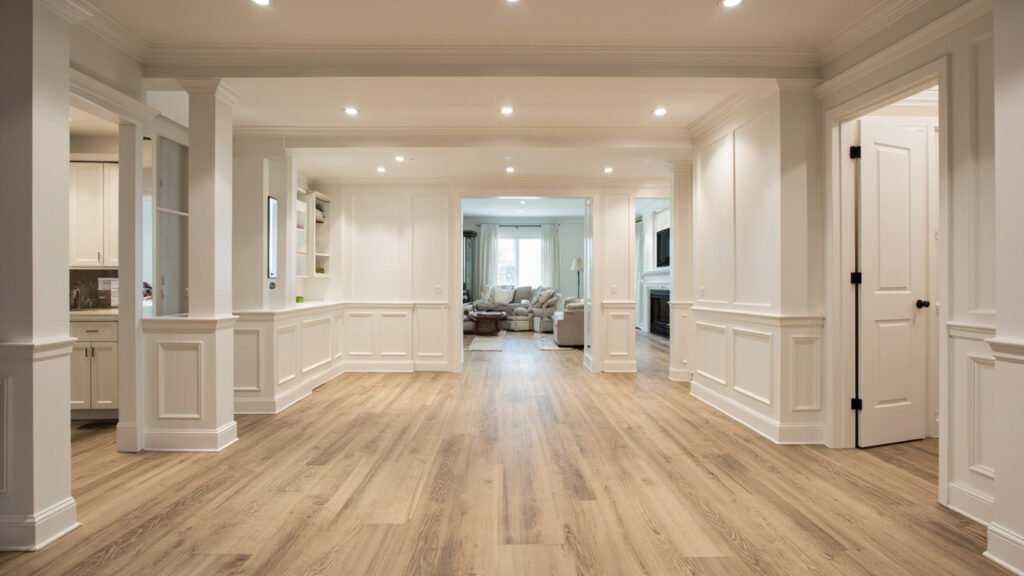
Planning a basement project? If you’re researching basement bathroom addition boston, this guide covers important considerations for Greater Boston homeowners.
{“title”: “Adding a Basement Bathroom in Boston: What Homeowners Need to Know”,”html”:”
Boston homeowners are increasingly discovering that a basement bathroom addition can dramatically increase the functionality and value of their homes. Whether you are finishing a guest suite, creating a home gym space, or adding an in-law apartment, including a bathroom in your basement remodel makes sense for many Greater Boston households. Before you start tearing out walls, however, there are several important considerations specific to our region that every homeowner should understand.
\n\n
Why Boston Basements Require Special Planning
\n
Greater Boston homes present unique challenges for basement construction. Many houses in Newton, Wellesley, Brookline, and surrounding communities were built decades ago, meaning their foundations may have settling issues, limited headroom, or non-standard layouts. Older homes in Lexington and Bedford often have basements with ceiling heights that barely meet current codes, while homes in newer developments in Quincy and Braintree may have different moisture challenges related to soil conditions.
\n
These factors do not make a basement bathroom impossible, but they do mean that careful planning is essential. Our team begins every project with a thorough assessment of your existing space, identifying potential obstacles before we start construction.
\n\n
Key Considerations for Your Basement Bathroom Addition
\n
When planning a basement bathroom in your Boston home, several factors will influence the scope and cost of your project:
\n
- \n
- Drainage and plumbing access: The location of your existing drain lines determines whether your bathroom can connect easily to your home’s plumbing system. Homes in Wayland and Natick with basements on slab foundations may face different challenges than homes in Westwood with traditional block foundations.
- Ceiling height requirements: Current codes generally require adequate headroom for habitable spaces. We can discuss options if your basement has limited height, including recessed toilet options and custom shower solutions.
- Ventilation and moisture control: Bathrooms generate significant humidity. Proper ventilation prevents mold growth and protects your investment over time.
- Egress requirements: Depending on how you plan to use the space, code may require emergency exit options, which affects both layout and cost.
\n
\n
\n
\n
\n\n
Our Basement-Focused Construction Process
\n
Basement Finishing of Boston brings specialized expertise to every bathroom addition project. Unlike general contractors who dabble in basements, we understand the unique challenges of below-grade construction in New England.
\n
Our process begins with a detailed consultation where we assess your existing space, discuss your vision, and explain the realistic possibilities for your specific home. From there, we create a clear scope that covers:
\n
- \n
- Careful demo and preparation of the existing basement space
- Professional plumbing installation by licensed plumbers who understand Boston’s building systems
- Electrical work completed by our licensed electricians for safe, code-compliant wiring
- Insulation and moisture barriers designed for below-grade conditions
- Drywall, tiling, and finishing work that meets our quality standards
\n
\n
\n
\n
\n
\n
We maintain clean job sites throughout the process and communicate clearly about timelines and next steps. You will always know where your project stands.
\n\n
Managing Moisture in Boston Basements
\n
Moisture is the enemy of below-grade spaces, and Boston’s climate makes moisture management particularly important. Our finishing recommendations account for the humid summers and cold winters that characterize our region.
\n
We use proven strategies including moisture-resistant materials, proper ventilation systems, and careful attention to foundation waterproofing where needed. Our team addresses potential problem areas before they become expensive repairs, giving you peace of mind that your new bathroom will remain dry and comfortable for years to come.
\n
This moisture-aware approach distinguishes us from contractors who simply install finishes without considering the unique demands of basement environments. Your investment deserves protection.
\n\n
Navigating Boston Area Building Codes
\n
Building a bathroom in your basement requires permits and inspections in most Greater Boston communities. Requirements vary between towns in our service area, from Newton to Wellesley to Weston and beyond. Our team understands the local code requirements for each community we serve.
\n
We handle the permit process, ensuring that all work meets current standards for electrical, plumbing, and structural components. This attention to regulatory compliance protects you from future complications and ensures your finished space adds genuine value to your home.
\n\n
Is a Basement Bathroom Addition Right for Your Home?
\n
Adding a bathroom to your basement makes sense when you need more functional space but lack room for a traditional addition. It is an ideal solution for households with aging parents, growing teenagers, or anyone who wants to maximize their existing square footage without the expense and disruption of a full addition.
\n
The investment in a basement bathroom typically pays off through increased property value and improved livability. Homebuyers in competitive markets like Boston recognize the value of fully finished basement space, especially when it includes private bathroom facilities.
\n\n
Ready to transform your basement? Visit our basement finishing page or call (857) 666-8643 for a Free, no-obligation estimate
“}
When planning your basement bathroom addition boston, focus on proper scope definition, moisture management, and selecting materials suited for below-grade spaces.