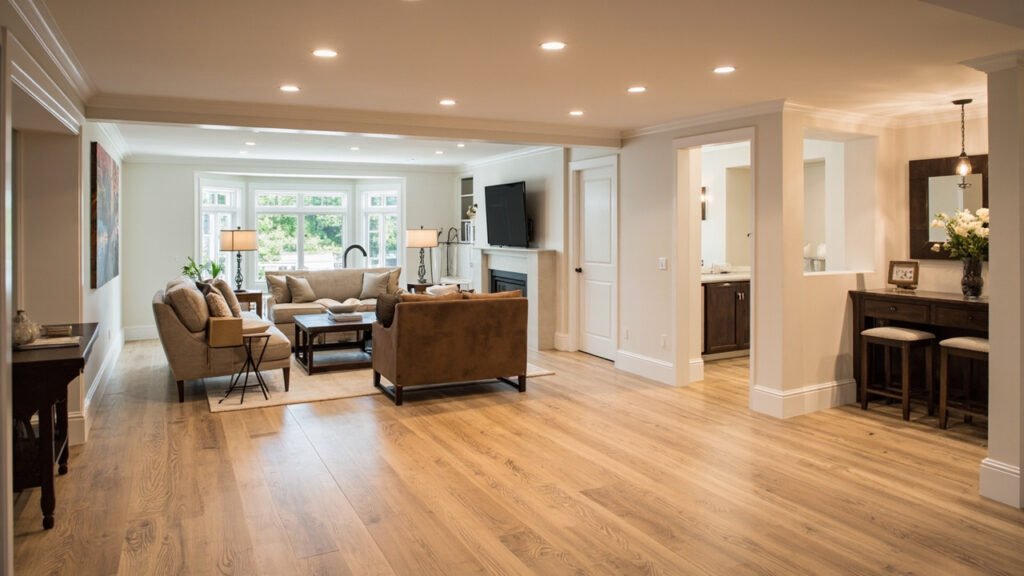
Your basement has untapped potential. For homeowners across Greater Boston, converting an underutilized below-grade space into a comfortable guest suite offers one of the best returns on investment for your home. Whether you’re creating a private retreat for visiting family members, a space for adult children between moves, or even a potential income source, a well-designed basement guest suite adds both value and functionality to your Newton, Wellesley, or Brookline home.
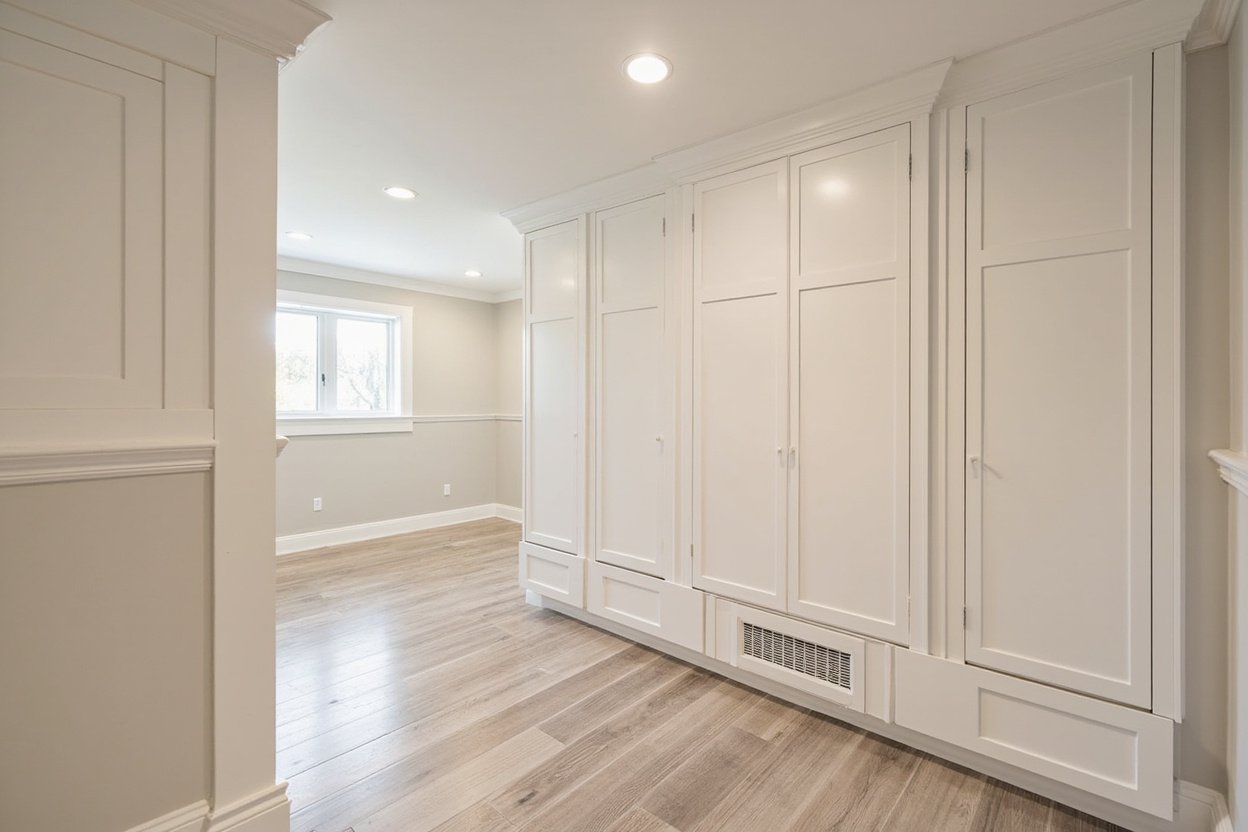
Why Basement Guest Suites Are Growing in Popularity Across Boston Suburbs
Greater Boston’s real estate market consistently ranks among the nation’s most competitive. Families in communities like Lexington, Weston, and Wayland are discovering that strategic basement finishing delivers the additional living space they need without the complications of major additions or moves to larger properties. A thoughtfully designed basement guest suite accommodates overnight visitors while maintaining the privacy that both hosts and guests appreciate.
Beyond accommodating guests, these versatile spaces serve multiple purposes throughout the year. Young adults transitioning from college to careers appreciate having their own entrance and living area. Aging parents visiting from other areas enjoy ground-level accessibility. The flexibility of a basement guest suite adapts to your family’s evolving needs over time.
Essential Design Considerations for Boston-Area Basements
Not every basement is created equal, and older homes in historic neighborhoods throughout Greater Boston present unique challenges that require careful planning. Before designing your guest suite, evaluate these critical factors that influence what your space can realistically become.
- Ceiling height – Many homes in Brookline, Westwood, and classic Boston neighborhoods were built with below-grade spaces that don’t meet modern height requirements. Full guest suites typically need at least 7 feet of clear height, while partial living spaces may work with 7-8 feet depending on beam placement.
- Moisture and water table issues – Boston’s varying water table and seasonal freeze-thaw cycles affect basements differently than in other regions. Proper waterproofing, dehumidification, and moisture-resistant materials are non-negotiable investments.
- Existing foundation conditions – Stone foundations in older homes require different approaches than poured concrete. Our team assesses foundation integrity before recommending finishes.
- Utility access points – Water heaters, furnaces, and electrical panels need strategic placement to maintain guest suite privacy while remaining accessible.
Key Features That Define a Great Basement Guest Suite
The best basement guest suite designs balance comfort, privacy, and practicality. While your specific needs will guide the final layout, certain features consistently deliver satisfaction for homeowners across Needham, Natick, and surrounding communities.
- Dedicated entrance – A separate exterior entrance creates independence for your guests while maintaining household privacy. Walk-out or window-well entrances work well for Boston-area basements.
- Living and sleeping areas – Defining zones with partial walls, area rugs, or strategic lighting helps the space feel intentional rather than cavernous.
- Compact kitchenette or wet bar – A wet bar with mini refrigerator, sink, and microwave station provides convenience without the cost of a full kitchen. Some homeowners opt for a full basement bathroom as well.
- Bathroom access – Whether a full bath connected to the suite or a half-bath nearby, convenient restroom access significantly enhances guest comfort.
- Climate control – Independent thermostat control and supplemental heating ensure your guests stay comfortable regardless of season.
- Lighting design – Combining recessed lighting, task fixtures, and natural light from egress windows creates an inviting atmosphere.
Meeting Massachusetts Building Codes and Egress Requirements
Every basement guest suite that includes sleeping areas must comply with Massachusetts building codes regarding emergency egress. This isn’t bureaucratic red tape—it’s a critical safety consideration that protects your guests and family.
Egress requirements typically mandate:
- A window well or door providing direct exit to the exterior
- Minimum opening dimensions of 5.7 square feet (5.0 square feet for basement windows at grade level)
- Minimum clear opening height of 24 inches and width of 20 inches
- Window wells must provide adequate clearance in front of the window
If your current basement lacks appropriate egress, adding egress windows is a common scope item we include in basement finishing projects. We handle the permit process, coordinate with licensed contractors, and ensure proper installation that protects your home’s structural integrity.
Moisture-Aware Finishing for Below-Grade Spaces in Greater Boston
Boston’s climate means your basement experiences humidity fluctuations, occasional moisture intrusion, and temperature variations that above-grade rooms don’t face. Moisture-aware finishing protects your investment and ensures your guests enjoy a healthy environment.
Our recommended approach includes:
- Interior drainage systems – French drains or channel systems that direct any water away from finished areas
- Vapor barriers – Proper installation on walls and floors prevents moisture migration through concrete
- Insulation meeting R-value requirements – Rigid foam or spray foam options perform better than traditional batt insulation in below-grade applications
- Moisture-resistant drywall – Green board or paperless drywall in high-humidity zones provides added protection
- Appropriate flooring choices – Luxury vinyl plank (LVP) and ceramic tile perform well in basement environments, unlike hardwood or carpet that can trap moisture
- Continuous dehumidification – A dedicated dehumidifier sized for your space maintains consistent humidity levels
What to Expect During Your Basement Guest Suite Project
Our professional process keeps your project on track while minimizing disruption to your household. Every basement finishing project begins with a thorough site assessment that identifies potential challenges before we begin.
Typical project phases include:
- Initial consultation and site evaluation
- Design collaboration and material selection
- Demo and preparation work
- Framing, electrical, and plumbing rough-ins by licensed trades
- Insulation and moisture management installation
- Drywall, taping, and painting
- Flooring and trim installation
- Lighting, fixtures, and final touches
- Final walkthrough and quality assurance
We maintain clear communication throughout, with a dedicated project manager available to answer questions. Our crews leave job sites clean daily, and we coordinate with licensed electricians and plumbers for all trade work.
Getting Started With Your Basement Guest Suite Design
Whether you’re in a colonial in Lexington, a split-level in Burlington, or a historic home in Wellesley, your basement can become the guest suite your family needs. The design possibilities are nearly endless—private bedrooms, combined living and sleeping areas, kitchenettes, bathrooms, and everything in between.
Every home presents its own set of opportunities and constraints. A site-specific consultation allows us to understand your vision and explain what’s realistically achievable within your space and budget.
Ready to transform your basement? Visit our basement finishing page or call (857) 666-8643 for a Free, no-obligation estimate
When planning your basement guest suite designs, focus on proper scope definition, moisture management, and selecting materials suited for below-grade spaces.