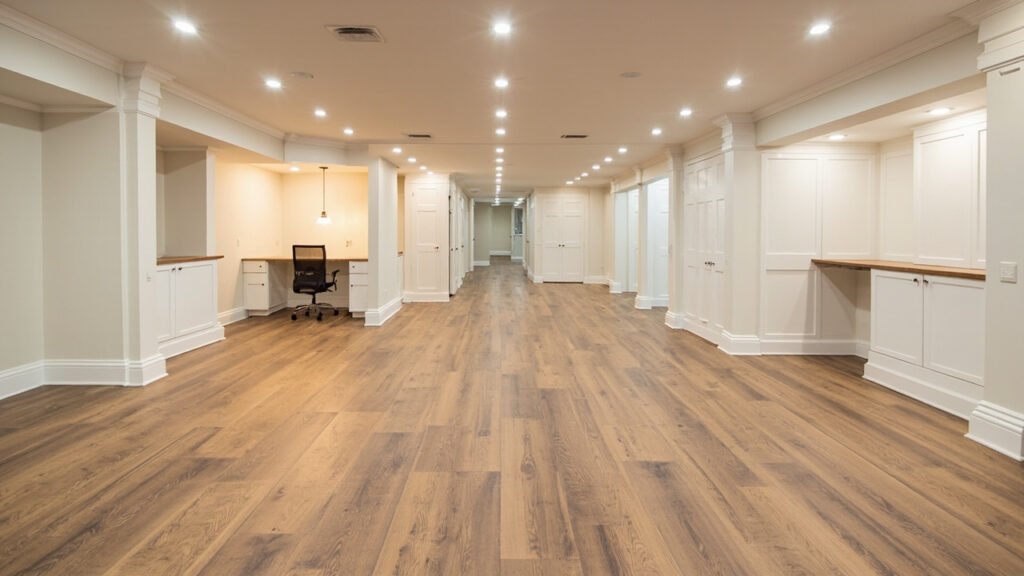
Finishing a basement is one of the smartest investments you can make as a Greater Boston homeowner. It transforms wasted storage space into usable square footage—whether that is a cozy family room, a productive home office, a guest suite for visiting relatives, or even a private in-law apartment. But before you start envisioning the possibilities, you probably want to know the cost to finish a basement in Boston and what factors influence that number.
What Affects Basement Finishing Costs in Boston
Every basement is different, and so is every project. That said, several common factors determine what you will pay to finish your below-grade space in the Greater Boston area.
Square footage is the most obvious starting point. Most basement finishing projects range from 500 to 1,500 square feet, with costs typically calculated per square foot once the scope is defined. The larger the space, the more materials and labor required—but the cost per square foot often decreases slightly on bigger projects.
Current condition of the space matters enormously. If your basement is already dry, has proper drainage in place, and shows minimal signs of moisture intrusion, you are starting from a better position. Older Boston homes built in the early-to-mid 20th century may have foundation issues, inadequate ventilation, or moisture problems that need addressing before finishing can begin. Budgeting for these prep work items is essential.
Ceiling height is a Boston-specific consideration worth discussing. Many older homes in Newton, Brookline, Wellesley, and Lexington were built with basement ceilings that do not meet modern comfort standards—sometimes as low as six feet. If you are finishing that space, you may need to lower the floor or address the ceiling situation, which adds complexity and cost.
Understanding the Scope of Work
A complete basement finishing project typically involves several distinct phases. Understanding these helps you see where your investment goes.
- Demolition and prep—removing existing materials, addressing any water issues, and preparing the foundation walls
- Framing and structural work—building out walls, soffits, and any structural modifications
- Insulation and moisture control—installing proper insulation for below-grade conditions and moisture barriers
- Electrical and plumbing—running wiring, installing outlets, switches, and any plumbing for bathrooms or wet bars
- Drywall and finishing—hanging, taping, mudding, and painting walls
- Flooring installation
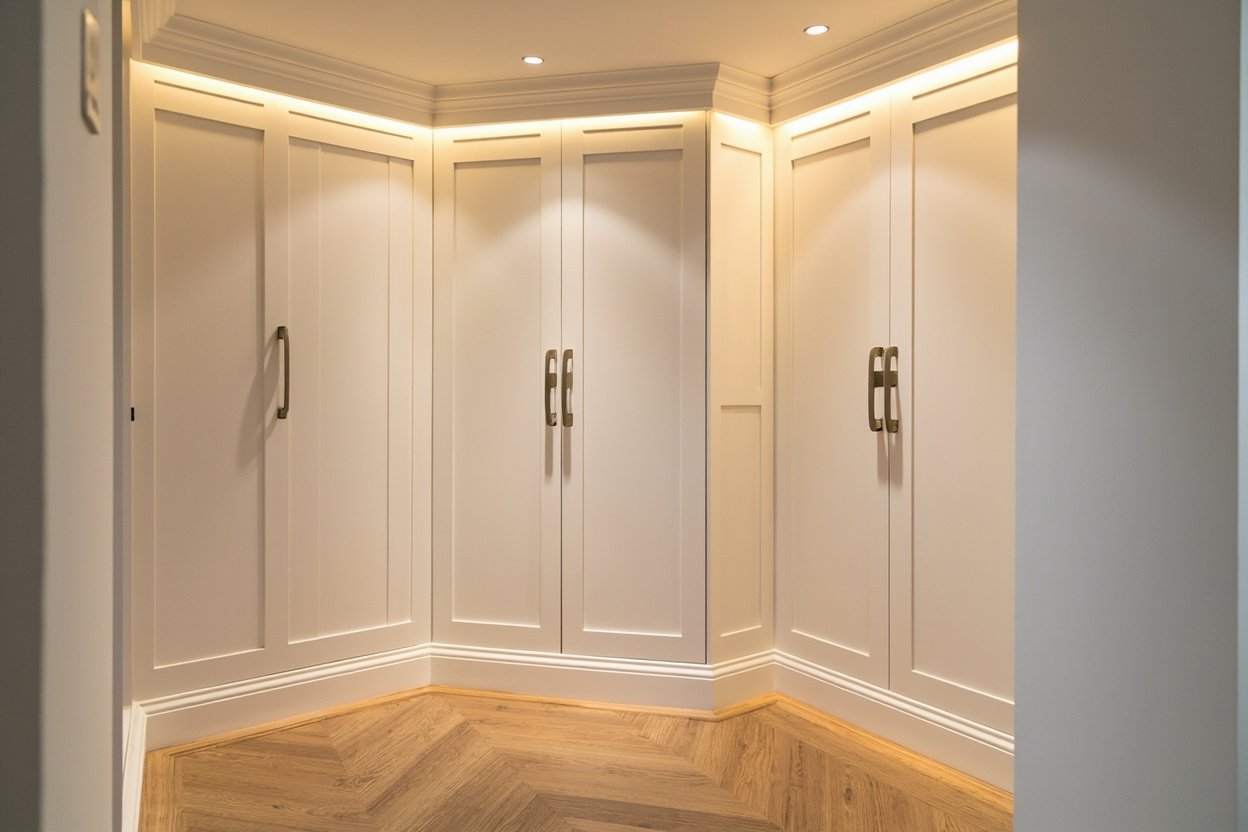
- Trim work, doors, and millwork
- Lighting and fixtures
Common Basement Types and Their Finishing Options
Boston-area homeowners pursue basement finishing for many reasons. Here is a quick look at popular project types and what they typically involve.
Family Rooms and Living Areas
A basement family room is one of the most common requests we see from homeowners in Needham, Westwood, Quincy, and surrounding communities. These spaces work well with durable LVP flooring, moisture-resistant drywall, and strategic lighting to create warmth despite the below-grade setting.
Home Offices and Workspaces
With remote work now standard for many Greater Boston households, basement offices have become increasingly popular. These projects often require additional electrical outlets, data cabling, and dedicated HVAC considerations to ensure comfort during long workdays.
In-Law Suites and Guest Apartments
Multi-generational living arrangements drive many basement finishing projects in communities like Acton, Natick, and Wayland. These require more extensive planning, including separate bathroom facilities, kitchenettes or wet bars, and often egress windows for bedroom areas.
Specialty Spaces
Home theaters, gyms, and recreation rooms each bring unique requirements. Theater rooms need acoustic considerations. Home gyms benefit from reinforced flooring and proper ventilation. Wet bars and basement bathrooms add plumbing costs but significantly increase usability and home value.
Boston-Specific Considerations for Below-Grade Finishing
Finishing a basement in the Greater Boston area comes with particular challenges that experienced local contractors understand intimately.
Moisture management is paramount. Boston’s climate means basements face seasonal humidity shifts, occasional flooding concerns, and natural groundwater pressure. Proper exterior and interior drainage, vapor barriers, and dehumidification systems protect your investment for decades.
Egress requirements are not optional—they are code-mandated for any basement space that will serve as a bedroom or living area. If your basement does not already have adequate egress windows or a door leading directly outside, this will need to be factored into your project scope. Homes in Burlington, Braintree, and Bedford are no exception to these requirements.
Older home foundations—common throughout Brookline, Weston, and Lexington—may need reinforcement before finishing can safely proceed. Cracks, settling, and outdated building materials all require professional assessment.
Getting an Accurate Estimate
While every project differs, most homeowners completing a full basement finish in the Greater Boston area can expect costs in the mid-to-upper range compared to other home improvement projects. The only way to get an accurate number for your specific space is through an on-site consultation where we can assess current conditions, discuss your vision, and outline material options.
We encourage homeowners to think beyond just the upfront cost. Quality materials, proper moisture management, and professional installation protect your investment, reduce long-term maintenance, and ensure your finished basement remains comfortable and valuable for years to come.
Where to Start
If you are ready to explore what finishing your basement could look like—and what it would cost—we invite you to reach out for a conversation. Understanding your goals, your timeline, and your budget helps us provide guidance tailored to your situation.
Ready to transform your basement? Visit our basement finishing page or call (857) 666-8643 for a Free, no-obligation estimate
When planning your cost to finish basement boston, focus on proper scope definition, moisture management, and selecting materials suited for below-grade spaces.