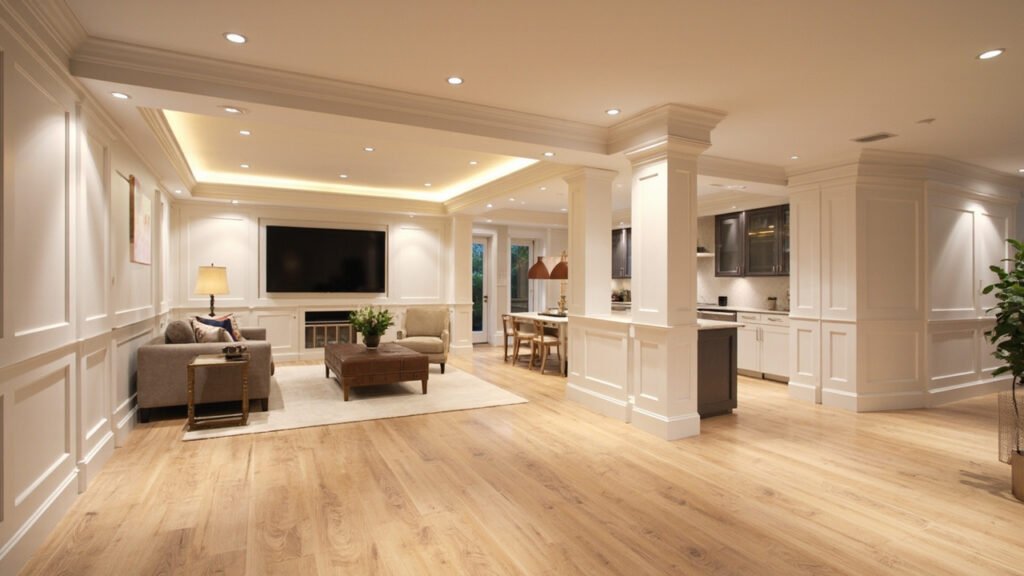
A home theater in your basement is one of the best investments you can make for your home. It adds living space, increases your property value, and gives your family a place to gather for movie nights, gaming, and sports events. If you are considering basement home theater installation in the Greater Boston area, this guide will help you understand what is involved and how to plan your project.
Why Basements Make Great Home Theaters
Basements offer natural advantages for home theater construction. They are typically below grade, which means less outside noise and better sound isolation. The walls and ceiling can be designed to optimize acoustics, and the darker environment makes it easier to create that cinematic feel you want. For Boston-area homeowners with basements that are currently unfinished or used only for storage, converting this space into a dedicated entertainment area is a smart use of square footage.
Key Considerations for Boston Homes
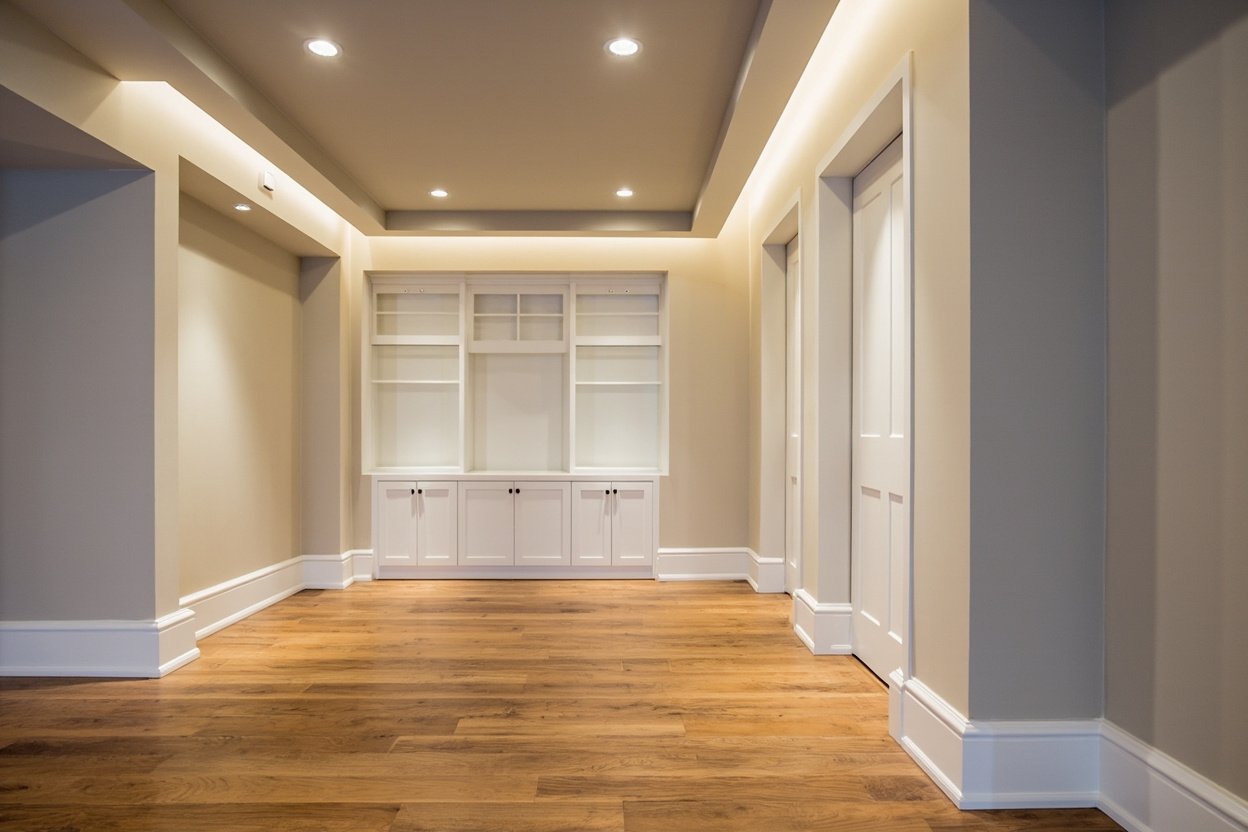
Older homes in communities like Newton, Lexington, Wellesley, and Brookline often have basements with unique challenges. Ceiling height can be limited in historic houses, so you may need to consider creative solutions for soffits or dropped ceiling areas that can accommodate recessed lighting and speaker wiring. Moisture is another critical factor in below-grade spaces. Even if your basement seems dry, proper waterproofing, insulation, and vapor barriers are essential before any finishing work begins. We always recommend a thorough moisture assessment before starting a home theater project in the Greater Boston area.
Additionally, Massachusetts building codes may require egress windows or alternative exits depending on how you plan to use the space. If your basement will serve as a guest suite or entertainment area, adding proper egress windows can both keep you compliant and add natural light to your theater room.
Planning Your Layout and Design
Before construction begins, think about how you want your home theater to function. Consider these questions:
- How many seats do you want in your theater?
- Will you use a projector and screen or a large-format television?
- Do you need space for a game room or bar area alongside the theater?
- What type of lighting do you prefer—recessed cans, sconces, or LED strips?
- How many people will regularly use the space?
Having clear answers to these questions helps us design a space that works for your lifestyle. Whether you want a simple screening room or a full multi-purpose entertainment zone, we can build it to match your vision.
Soundproofing and Acoustic Design
One of the biggest advantages of finishing your basement for a home theater is the ability to control acoustics from the start. We install sound-dampening insulation in walls and ceiling cavities to minimize sound transfer to the rest of your home. This is especially important in neighborhoods with attached homes or neighbors in close proximity, which is common in areas like Westwood, Wayland, and Braintree.
Proper acoustic treatment also means thinking about your flooring and wall surfaces. We often recommend luxury vinyl plank or engineered flooring with area rugs to help absorb sound while maintaining a clean, modern look. If you prefer tile, we can suggest acoustic underlayment options that improve the overall sound quality in your theater space.
Technical Requirements and Wiring
A basement home theater requires careful electrical planning. You will need dedicated circuits for your audio-visual equipment, proper ventilation for electronics, and enough outlets to accommodate all your devices. Our licensed electricians can install the wiring you need, including HDMI runs, speaker wire pathways, and smart home integration systems.
Consider whether you want to future-proof your theater by running additional wiring for equipment you may add later. It is much easier to install extra cables during construction than to retrofit them later. We can help you plan for current technology while keeping your setup flexible for future upgrades.
Finishing Options and Features
Once the infrastructure is in place, you can customize the look and feel of your home theater. Popular finishing options include:
- Acoustic panels that double as decorative wall treatments
- Theater-style seating platforms with built-in storage
- Wet bar or kitchenette for concessions without leaving the room
- Dimmers and scene lighting for different viewing experiences
- Soundproof doors to complete the acoustic seal
We work with homeowners throughout Needham, Bedford, Burlington, Quincy, and surrounding communities to create theaters that balance functionality with aesthetic appeal. Every project is custom-designed to meet your specific needs.
Ready to transform your basement? Visit our basement finishing page or call (857) 666-8643 for a Free, no-obligation estimate
The Construction Process
When you work with our team, you can expect clear communication and a professional job site from start to finish. We begin with a detailed consultation to understand your goals, assess your basement conditions, and create a project scope that fits your budget. From there, we handle framing, insulation, drywall, flooring, trim work, and all finishing details.
We coordinate with licensed plumbers and electricians for any rough-in work, ensuring all trades are integrated smoothly. Our crews keep job sites clean and organized, and we provide regular updates throughout the project. We understand that remodeling your basement is a significant undertaking, and we strive to make the process as stress-free as possible.
Moisture Management for Long-Term Performance
Basements below grade are prone to moisture issues, which is why moisture-aware construction is at the heart of everything we do. We use premium insulation materials, vapor barriers, and dehumidification solutions to protect your home theater investment. This approach prevents mold growth, protects your electronics, and keeps your theater comfortable year-round.
Even in drier months, Boston area basements can experience humidity fluctuations. We recommend installing a dedicated dehumidifier as part of your theater setup to maintain optimal conditions for both the space and your equipment.
Start Your Basement Home Theater Project Today
Whether you are in Acton, Natick, Weston, or anywhere else in Greater Boston, we are ready to help you design and build the basement home theater you have been dreaming about. Our team combines basement-specialist expertise with professional construction standards to deliver results that look great and perform flawlessly.
Take the first step by reaching out for a free consultation. We will visit your home, assess your basement, and provide honest recommendations tailored to your goals and budget. Let us show you what is possible for your below-grade space.
When planning your basement home theater installation, focus on proper scope definition, moisture management, and selecting materials suited for below-grade spaces.