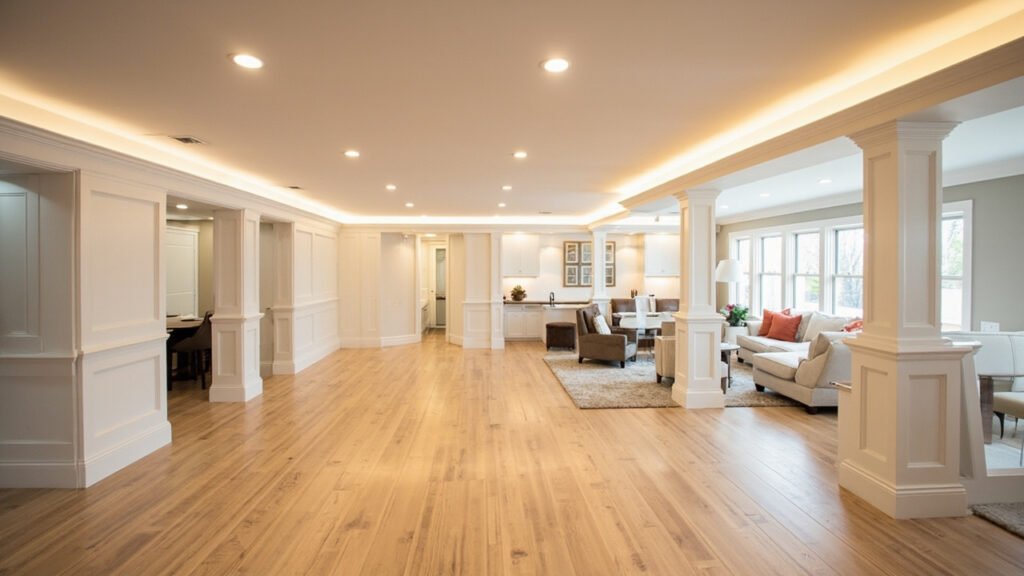
If you own a home in Needham, Newton, or anywhere around Greater Boston, you already know that usable living space comes at a premium. Your basement might be sitting there as a dark storage area when it could be a valuable extension of your home. A basement renovation in Needham MA can transform that unused square footage into a family room, home office, gym, guest suite, or even a complete in-law apartment. Before you start tearing out old walls or picking out flooring, there are several important factors specific to Boston-area homes that every homeowner should understand.
Why Basements in Greater Boston Present Unique Challenges
Older homes throughout the Greater Boston area—from historic colonials in Lexington to mid-century ranches in Natick—often have basements that were never designed for finished living space. Common issues include inadequate ceiling height, moisture intrusion, and outdated electrical or plumbing systems. Many basements in the region were built with fieldstone foundations or have experienced decades of water seepage. Understanding these challenges upfront helps you plan a renovation that will last.
Ceiling Height and Space Planning
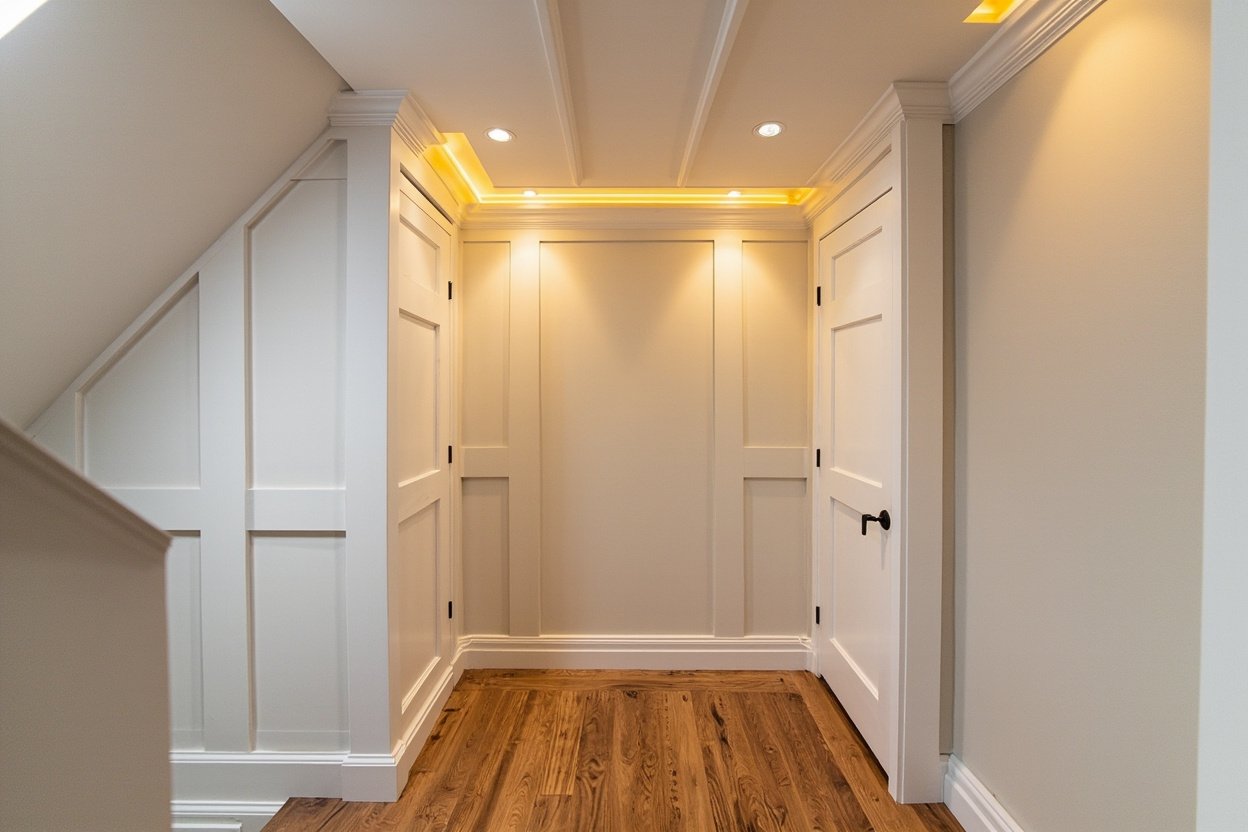
One of the first things we evaluate in any basement project is ceiling clearance. Building codes typically require a minimum of 7 feet of headroom for finished habitable spaces, but many older Boston-area basements fall short. In some cases, creative solutions like dropping the floor or using compact lighting fixtures can help maximize your space. We also work with homeowners to reimagine awkward layouts, incorporating built-in storage and multi-functional areas that make the most of every inch.
Moisture Management: The Foundation of a Lasting Finish
Below-grade spaces require careful moisture-aware finishing recommendations. Massachusetts weather brings humid summers and cold, wet winters—all of which put pressure on basement envelopes. Before any finishing work begins, we assess water intrusion risks, improve drainage where needed, and install proper vapor barriers and insulation. This isn’t just about comfort; it’s about protecting your investment from mold, structural damage, and costly repairs down the road. Our team addresses moisture issues comprehensively so your new living space stays dry and healthy for years to come.
- Interior drainage systems and sump pump installation
- Exterior waterproofing coordination when needed
- High-quality vapor barriers and moisture-resistant materials
- Proper insulation meeting current energy codes
Egress Requirements and Safety Considerations
If you’re planning to create a bedroom or guest suite in your basement, egress windows are not optional—they’re required by code. This means any habitable basement room needs a window well and ladder that meets specific dimensions for emergency exit. At Basement Finishing of Boston, we handle egress window installation as part of our complete renovation scope. We also work with licensed electricians to ensure proper wiring for lighting, outlets, and any specialized equipment you have in mind.
Popular Basement Finishing Projects in the Boston Area
Homeowners across Wellesley, Brookline, Westwood, and surrounding communities are choosing to finish their basements for various reasons. The most common projects include:
- Family rooms and entertainment spaces — Perfect for movie nights, game days, and everyday family gathering
- Home offices and study areas — Separate from household distractions, with proper lighting and quiet
- Home gyms and wellness rooms — Durable flooring, proper ventilation, and space for equipment
- In-law apartments and guest suites — Adding value and flexibility for aging parents or adult children
- Home theaters and media rooms — Acoustic treatment, comfortable seating, and immersive entertainment
Many homeowners also choose to add basement bathrooms, wet bars, or kitchenettes to increase functionality. Our team handles the complete scope—framing, insulation, drywall, flooring installation using LVP or tile, painting, trim work, ceiling solutions, and lighting—coordinating licensed plumbers and electricians for any trade work.
What to Expect During Your Basement Renovation
Working with a basement-specialist contractor means a clearer scope, cleaner job sites, and stronger communication throughout your project. We start with a thorough assessment of your space, discussing your vision and budget. From there, we create a detailed plan that addresses structural needs, code requirements, and your design preferences.
Typical projects involve several phases: initial demo and preparation, structural repairs if needed, insulation and vapor barrier installation, framing for walls and soffits, electrical and plumbing rough-in, drywall installation and finishing, flooring and trim work, and final lighting and fixture installation. Throughout the process, we maintain clear communication so you always know what’s happening and what’s coming next.
Getting Started with Your Basement Project
Whether you’re in Weston looking to add a home theater, in Bedford planning a guest suite for visiting family, or in Quincy dreaming of a gym that eliminates your gym membership, the first step is a conversation. Every basement is different, and every homeowner’s needs are unique. We provide free, no-obligation estimates that include a thorough assessment of your space and honest recommendations for what will work best for your situation.
Ready to transform your basement? Visit our basement finishing page or call (857) 666-8643 for a Free, no-obligation estimate
Don’t let your basement remain an underutilized afterthought. With proper planning, quality construction, and attention to the specific challenges of Boston-area homes, you can add valuable living space that your family will enjoy for years to come.
When planning your basement renovation needham ma, focus on proper scope definition, moisture management, and selecting materials suited for below-grade spaces.