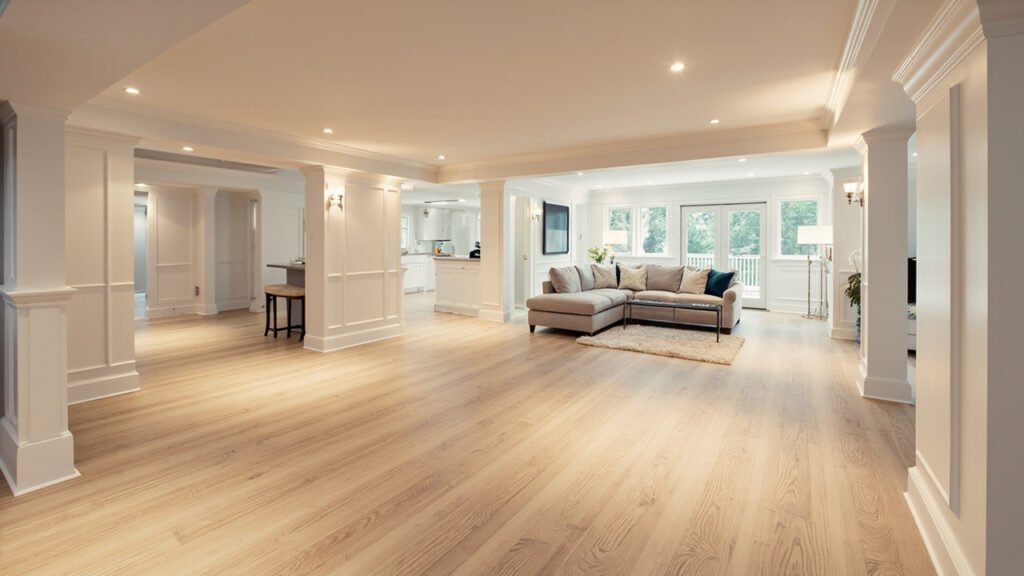
If you have an unfinished basement in your Natick home, you’re sitting on one of the most valuable square footage opportunities available. Many Greater Boston homeowners overlook their basements, but a professionally finished basement can add significant living space without the cost and hassle of home additions. Whether you’re dreaming of a family entertainment room, a quiet home office, or a private guest suite for visiting family, basement finishing in Natick MA can transform your underutilized space into some of the most functional square footage in your home.
Why Natick Homeowners Are Finishing Their Basements
Natick and the surrounding Greater Boston communities feature many homes built decades ago with full basements that were never intended for living. Today’s homeowners are recognizing that this below-grade space represents untapped potential. Basement finishing allows you to expand your living area by 500 to 1,500 square feet or more, depending on your home’s footprint.
Common projects we complete for Natick homeowners include family rooms where children can play and teens can gather, home offices that provide quiet workspace separate from the main living areas, home gyms that eliminate gym memberships, guest suites for overnight visitors, and even in-law apartments for multi-generational living arrangements. Each project is customized to meet your family’s specific needs and lifestyle.
Understanding Basement Finishing Challenges in Greater Boston Homes
Finishing a basement in the Greater Boston area presents unique challenges that differ from above-grade remodeling projects. Many homes in Natick, Wellesley, Newton, and surrounding communities were built in the mid-20th century or earlier, which means basement foundations may have settlement cracks, moisture intrusion history, or varying ceiling heights that require creative solutions.
Moisture management represents the single most important consideration for any basement finishing project. Unlike above-grade walls that only encounter interior humidity, basement walls and floors must contend with hydrostatic pressure, capillary action through concrete, and potential water infiltration during heavy rains. Professional basement finishing addresses these concerns through proper perimeter drainage, vapor barrier installation, insulation systems designed for below-grade applications, and dehumidification planning.
Ceiling height creates another common challenge. Many older homes feature basement ceilings that are lower than modern building codes prefer, requiring creative approaches to framing, ductwork concealment, and lighting placement. Our team evaluates each space and develops solutions that maximize headroom while meeting all code requirements.
The Basement Finishing Process for Natick Area Homes
Our basement finishing process begins with a thorough assessment of your existing space. We examine foundation walls for cracks or moisture issues, evaluate the current HVAC configuration, assess electrical panel capacity, and measure ceiling heights and overall dimensions. This evaluation allows us to provide realistic expectations and detailed scope for your project.
Typical basement finishing projects include several key phases:
- Selective demolition of any existing non-structural walls or finishes
- Framing of new walls according to your planned layout
- Installation of insulation meeting R-value requirements for below-grade conditions
- Installation of moisture-resistant drywall or alternative wall systems
- Electrical wiring by licensed electricians for outlets, switches, and lighting circuits
- Plumbing installation by licensed plumbers if your project includes bathrooms or wet bars
- Flooring installation, typically luxury vinyl plank for moisture resistance and durability
- Ceiling solutions that may include dropped ceilings, drywall, or other treatments
- Painting, trim work, and final hardware installation
Every project includes coordination with licensed trade professionals for any electrical or plumbing work, ensuring all installations meet Massachusetts building codes and pass required inspections.
Optional Upgrades That Enhance Basement Functionality
While some homeowners want straightforward living space, others desire enhanced features that transform their basement into a true extension of their home. Several popular upgrades frequently accompany basement finishing projects in the Natick area.
Basement bathroom additions rank among the most valuable improvements, particularly for guest suites, in-law apartments, or home gym spaces. Adding a bathroom eliminates the need to climb stairs for every visit, dramatically improving the usability of your finished basement.
Wet bars and kitchenettes appeal to homeowners creating entertainment spaces or home theaters. These features range from simple beverage stations to fully equipped kitchenettes with sinks, refrigerators, and cabinetry.
Egress windows satisfy code requirements for sleeping rooms in finished basements while also bringing natural light into below-grade spaces. These window installations require careful coordination of window size, well construction, and proper drainage to ensure they don’t create water intrusion points.
Moisture-Aware Finishing Recommendations for Below-Grade Spaces
Successful basement finishing requires understanding how moisture behaves in below-grade environments. Concrete foundation walls remain perpetually damp as groundwater continuously migrates through the slab and walls. Finishing systems must account for this reality to prevent mold growth, material degradation, and indoor air quality issues.
We recommend several moisture management strategies for finished basements:
- Installing rigid foam insulation directly against foundation walls before framing interior walls
- Using pressure-treated lumber for any wood in contact with concrete surfaces
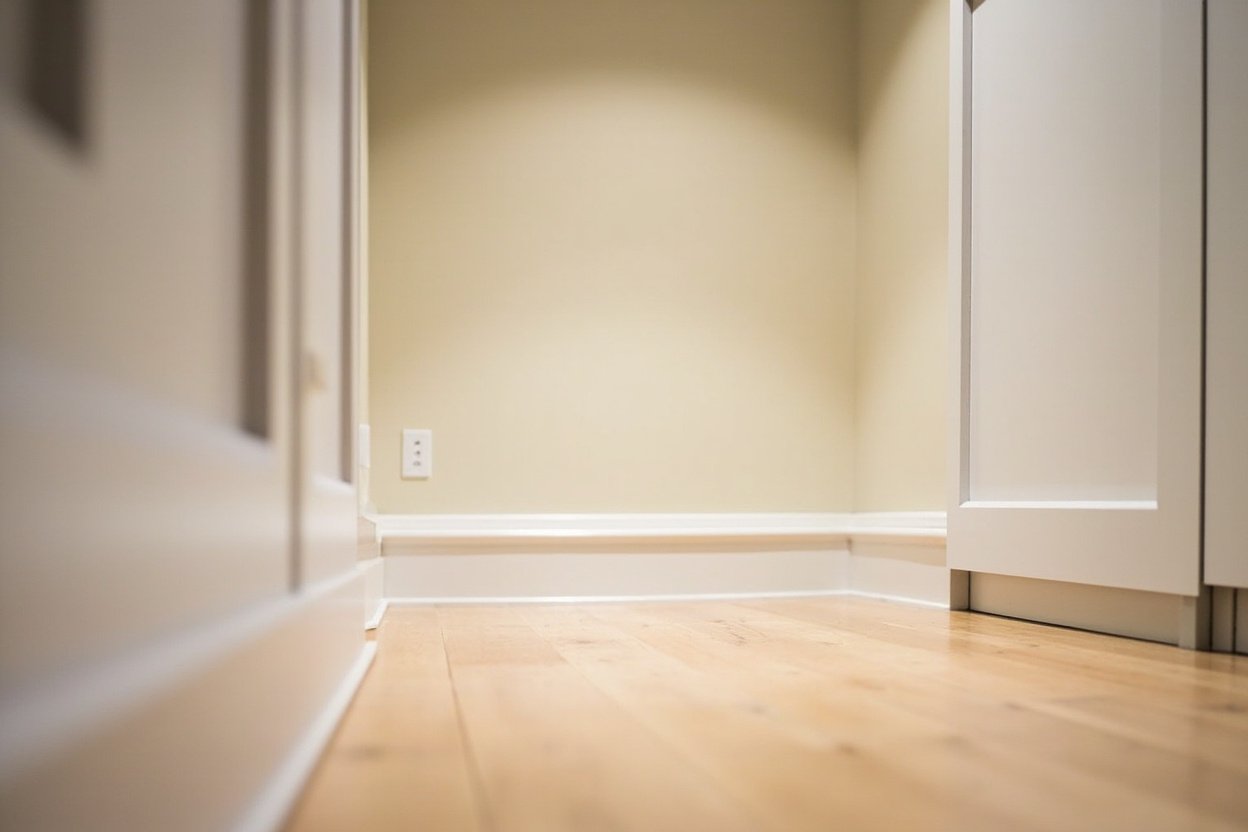
- Leaving a small gap between finished walls and concrete floors to prevent capillary moisture wicking
- Incorporating continuous mechanical ventilation or dehumidification systems
- Selecting flooring materials rated for below-grade moisture exposure
These approaches have proven effective across countless basement finishing projects in Natick and throughout Greater Boston, providing durable, healthy living spaces that maintain their value over time.
Planning Your Natick Basement Finishing Project
Every basement presents unique challenges and opportunities, which is why we provide detailed consultations for each project. During our initial meeting, we discuss your goals for the space, your timeline preferences, and your budget parameters. We then evaluate your basement’s specific conditions and provide recommendations tailored to your situation.
Communication remains essential throughout the project. You’ll receive clear scope documentation before work begins, regular updates during construction, and straightforward answers to any questions that arise. We maintain clean job sites because we understand your home is your family’s sanctuary, not a construction zone.
Ready to transform your basement? Visit our basement finishing page or call (857) 666-8643 for a Free, no-obligation estimate
Serving Natick and the Greater Boston Area
Basement Finishing of Boston serves homeowners throughout Greater Boston, including Natick, Needham, Newton, Lexington, Wellesley, Brookline, Westwood, Weston, Acton, Wayland, Bedford, Burlington, Quincy, Braintree, and surrounding communities. Our team brings decades of construction experience specifically focused on basement projects, understanding the unique requirements of below-grade renovation in New England homes.
Whether your Natick home features a walkout basement with good natural light or a full below-grade space requiring creative solutions, we have the expertise to transform it into functional living area you’ll enjoy for years to come.
When planning your basement finishing natick ma, focus on proper scope definition, moisture management, and selecting materials suited for below-grade spaces.