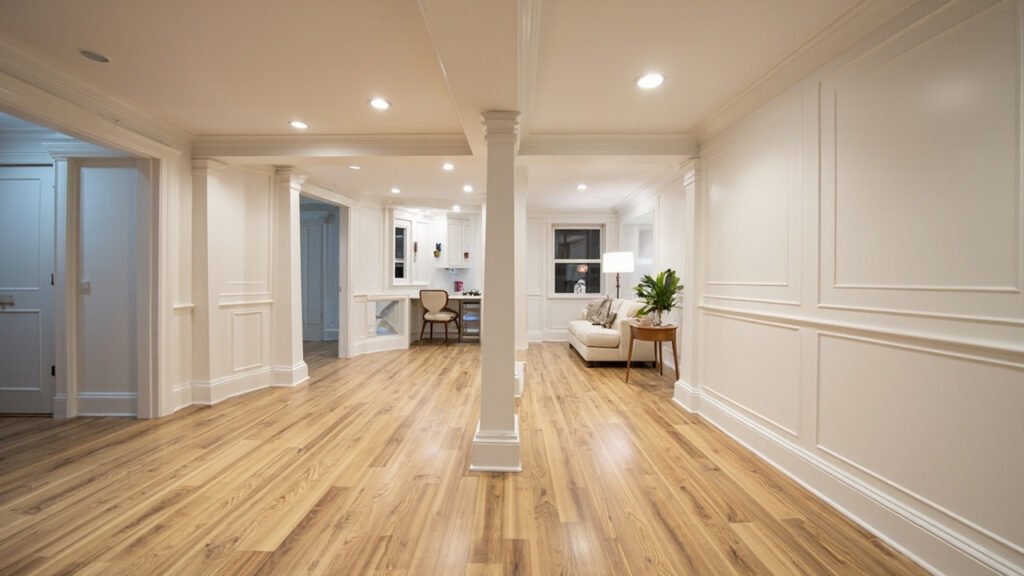
Finished basements are a staple of Greater Boston homes. With older colonials in Newton, raised ranches in Quincy, and split-levels throughout Lexington, many homeowners have that same underutilized concrete space waiting below. If you’ve been thinking about turning your basement into a playroom, you’re sitting on one of the smartest investments a family can make. Let’s walk through basement playroom ideas that work specifically for Boston-area homes—dealing with moisture concerns, ceiling heights, and the practical needs of local families.
Why a Basement Playroom Makes Sense for Boston Families
Boston winters send kids indoors for months. A dedicated basement playroom gives them a space to run, create, and burn energy without taking over your living room. Beyond the obvious fun factor, a well-finished playroom adds usable square footage to your home—an attractive feature when you eventually sell. In competitive markets like Wellesley, Brookline, and Weston, every finished square foot counts.
Start With the Right Foundation: Basement Moisture Management
Before you pick out paint colors or playroom furniture, moisture is the first conversation every Boston-area homeowner needs to have. New England basements face groundwater pressure, humidity swings, and cold spots that invite condensation. Skipping this step leads to mold, peeling paint, and warped flooring—problems no one wants in a kid’s space.
Key moisture-aware finishing steps include:
- Installing a dimple membrane or vapor barrier against foundation walls before framing
- Using pressure-treated bottom plates and moisture-resistant drywall in the lower four feet
- Ensuring proper Gove HVAC sizing or adding a dedicated dehumidifier sized for the space
- Choosing solid-core doors and cement board in any bathroom or wet bar areas
A basement finishing specialist will assess your foundation type—whether it’s fieldstone in a 1920s Westwood home or poured concrete in a newer build—and tailor the approach accordingly.
Designing for Ceiling Height in Older Boston Homes
Ceiling height is a common challenge in Boston-area basements. Many older homes, especially in neighborhoods like West Roxbury, Roslindale, or historic Lexington, were built with seven-foot or lower basement ceilings. You have a few options depending on what you’re working with:
- Drop ceiling tiles: Easy to access utilities above, but reduces headroom and has a more utilitarian look
- Suspended ceiling systems: Can add a finished appearance while keeping things accessible
- Drywall ceiling with soffits: Cleanest look, but requires moving ductwork and electrical—a bigger scope but worth it for a polished result
- Exposed beams with paint: Works well in some modern farmhouse renovations and adds character
For Newton homeowners with low ceilings, maximizing vertical space through thoughtful lighting and furniture choices can make a seven-foot ceiling feel surprisingly open.
Zoning Your Basement Playroom: Separate Areas, One Space
The best basement playroom ideas divide the room into zones. This keeps the space organized and lets kids of different ages enjoy the area simultaneously. Consider planning for:
- Active zone: Open floor space for ride-on toys, dancing, or building with blocks
- Creative zone: A low table for arts and crafts with easy-clean surfaces nearby
- Quiet zone: A cozy reading nook with built-in benches or bean bag seating
- Gaming or media zone: A wall-mounted TV or gaming setup for older kids, placed away from the craft area
Framing walls to define these zones is part of the basement finishing process. Your contractor can include built-in shelving, window seats, or under-stair nooks that add storage and charm without wasting space.
Egress Windows and Safety: A Must in Massachusetts
Massachusetts building codes require egress-compliant windows in finished basement bedrooms and habitable spaces. If your playroom might someday serve as a guest area or teen hangout, it’s worth planning for an egress window during the finishing process rather than retrofitting later. Acton, Braintree, and Bedford homeowners have all navigated these requirements, and your contractor should be familiar with local code officials in each municipality.
Egress windows also bring in natural light—something that makes a basement feel warm and welcoming instead of cave-like. A well-placed window well with a bubbler or exit ladder can become a quirky reading spot kids will love.
Finishing Touches: Flooring, Lighting, and Durability
Basement playroom flooring needs to handle spills, stomping, and the occasional Lego underfoot. Luxury vinyl plank (LVP) flooring is a top choice for Boston-area basements because it’s waterproof, comfortable underfoot, and comes in styles that mimic hardwood or stone. Tile is another excellent option, especially near any wet bar or bathroom area.
For lighting, layer your approach:
- Ambient lighting: Recessed LED cans or a flush-mount fixture for overall brightness
- Task lighting: Under-cabinet or shelf lighting above craft tables and reading corners
- Accent lighting: String lights or RGB LED strips add fun color for movie nights or game days
Wall paints should be washable and low-VOC for indoor air quality. Semi-gloss or eggshell sheens clean easily and resist the moisture that sometimes affects basement walls.
Add Value With Optional Basement Upgrades
As you plan your playroom, consider features that grow with your family:
- Basement bathroom: A half-bath just steps from the playroom is a convenience families rave about
- Wet bar or kitchenette: Keeps snack breaks contained and saves trips upstairs
- Smart home wiring: Structured wiring for Wi-Fi access points eliminates dead zones in finished basements
- Durable storage: Built-in cubbies, toy bins, and wall-mounted organization systems keep clutter under control
These additions are part of the standard scope your contractor handles—framing, electrical, plumbing, and finish work all under one coordinated project.
Ready to transform your basement? Visit our basement finishing page or call (857) 666-8643 for a Free, no-obligation estimate
Whether you’re in Needham, Natick, or anywhere across Greater Boston, our team brings a professional, clear-scope approach to every basement finishing project. We’ll handle the framing, insulation, moisture barriers, drywall, flooring, lighting, and trim—coordinating licensed electricians and plumbers so you deal with one team from start to finish. Your kids’ favorite room in the house is waiting.
When planning your basement playroom ideas, focus on proper scope definition, moisture management, and selecting materials suited for below-grade spaces.