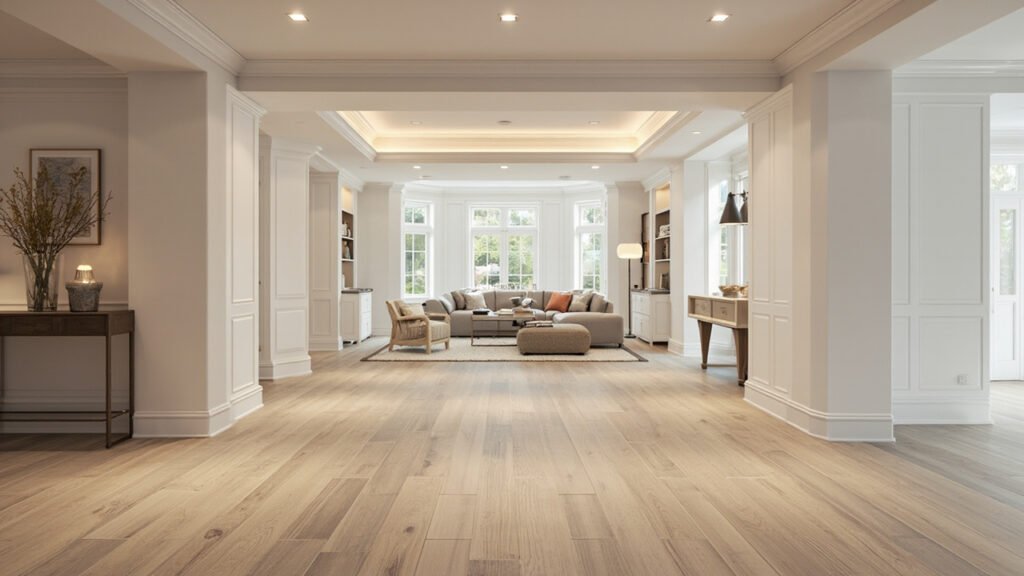
If you own a home in Needham, Newton, Lexington, or any of Greater Boston’s desirable communities, you’ve probably noticed that living space comes at a premium. Your basement sits there untapped—potentially hundreds of square feet of usable space just waiting beneath your feet. But before you start visualizing a home theater or in-law suite, there are specific considerations for basement renovation in our region that every homeowner should understand.
Why Basements in Greater Boston Require Special Attention
New England homes, particularly those in towns like Needham, Wellesley, and Brookline, were built with classic New England basement construction that serves practical purposes but presents unique challenges for finishing. Moisture management ranks as the single most important factor in any below-grade renovation project in our area.
Our climate means basements face seasonal water vapor transitions, occasional flooding concerns, and the ever-present risk of mold if materials aren’t properly specified and installed. A quality basement renovation isn’t just about making the space look good—it’s about creating a healthy, dry environment that protects your investment for decades.
Understanding Common Basement Challenges in Older Homes
Many homes in Greater Boston’s established neighborhoods feature basements with:
- Limited ceiling height—Older homes often have six-foot ceilings or lower, which affects code compliance and your sense of openness
- Original foundation materials—Stone foundations, while charming, may require additional waterproofing before finishing
- Outdated electrical and plumbing—Previous owners may have made patchwork upgrades that don’t meet current codes
- Legacy heating systems—Furnaces, water heaters, and ductwork that occupy valuable square footage
Before proceeding with any basement finishing project, we thoroughly assess these factors to create a scope that addresses your goals while solving potential problems proactively.
Creating a Realistic Scope for Your Basement Project
A complete basement renovation typically involves several distinct phases that ensure quality results:
- Assessment and planning—Evaluating structural conditions, moisture sources, existing utilities, and ceiling height to establish project feasibility
- Demolition and preparation—Removing existing finishes, addressing moisture barriers, and preparing the space for new construction
- Framing and insulation—Building partition walls, soffits for ductwork, and installing proper insulation rated for below-grade use
- Mechanical rough-ins—Working with licensed electricians and plumbers to install wiring, plumbing, and HVAC modifications
- Drywall and finishing—Hanging, taping, texturing, and painting walls to create your finished aesthetic
- Flooring and trim work—Installing flooring, baseboards, doors, and finishing carpentry details
The specific scope for your project depends entirely on your goals—whether that’s a simple family room refresh or a comprehensive guest suite with full bathroom and kitchenette.
Popular Basement Finishing Options for Greater Boston Homeowners
Over years of serving homeowners throughout the region, we’ve helped clients transform basements into some of their homes’ most valued spaces:
- Home offices and workspaces—With remote work becoming permanent for many families, a dedicated basement office offers quiet, professional separation from household activity
- Family rooms and entertainment spaces—Lower-level living areas that keep main-floor spaces tidy while providing comfortable gathering space
- Guest suites and in-law apartments—Multi-functional spaces that add genuine value and accommodate visiting family members
- Home theaters and media rooms—Darker, quieter environments naturally suited to cinematic experiences
- Fitness studios and gyms—Dedicated workout space without gym membership hassles
Critical Code Considerations for Your Project
Basement projects in Massachusetts must address specific building code requirements that often differ from above-grade renovations:
Egress requirements represent the most significant code consideration for basement living spaces. Bedrooms in basements require either a door leading directly to the outside, a window meeting minimum dimensions (typically 5.7 square feet of clear opening), or other approved means of emergency exit. If you’re considering a guest suite or in-law apartment, egress window installation may be necessary—which we handle as part of comprehensive project scoping.
Ceiling height minimums typically require eight feet in most jurisdictions for habitable spaces, though some areas allow seven feet with specific conditions. We evaluate your existing conditions early and discuss options when height limitations exist.
Choosing the Right Finishing Materials for Below-Grade Spaces
Not all construction materials perform equally in basement environments. We specify products designed specifically for below-grade applications to ensure your investment stands the test of time:
- Flooring—Rigid LVP (luxury vinyl plank) and ceramic tile outperform hardwood in moisture-prone environments while providing attractive, durable surfaces
- Wall materials—Moisture-resistant drywall and mold-resistant insulation protect your walls during humidity fluctuations
- Ceiling solutions—Drop ceilings or suspended systems allow access to mechanical systems while maintaining a finished appearance
- Lighting—Pot lights and LED fixtures designed for enclosed spaces provide excellent illumination without heat concerns
Working with a basement specialist means benefiting from our accumulated knowledge of what performs in New England conditions—saving you from costly callbacks and repairs down the road.
The Value of Professional Project Management
Basement finishing projects involve coordinating multiple trades, managing deliveries, and maintaining a clean work site—all while keeping you informed throughout the process. Our professional process prioritizes clear communication and organized job site management so your project proceeds smoothly from concept through completion.
Every basement project begins with understanding your vision, assessing existing conditions, and establishing a clear scope that addresses both your goals and any underlying challenges. We don’t just finish your basement—we solve the problems that could compromise your finished space years from now.
Ready to transform your basement? Visit our basement finishing page or call (857) 666-8643 for a Free, no-obligation estimate
When planning your basement renovation needham ma, focus on proper scope definition, moisture management, and selecting materials suited for below-grade spaces.