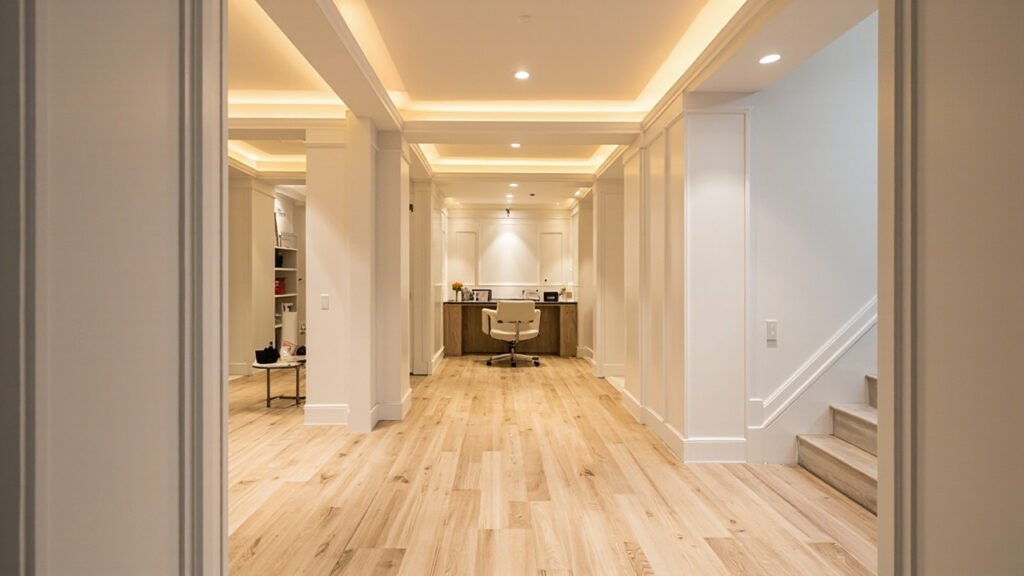
Your basement has incredible potential. For Greater Boston homeowners, an unfinished or underutilized basement represents wasted square footage that could become your home’s most beloved gathering space. Whether you’re dreaming of a cozy family room where everyone congregates for movie nights, a functional entertainment area for sports watching, or simply a comfortable space where the kids can hang out without turning the living room upside down, a basement family room remodel could be exactly what your home needs.
Why Basement Family Rooms Make Sense for Boston-Area Homes
Greater Boston homeowners face unique housing challenges. Historic homes in Newton, Wellesley, and Lexington often feature smaller upper-floor living spaces, while newer construction in Westwood, Wayland, and Braintree frequently includes basements that serve only as storage. A basement family room remodel adds livable square footage without the complexity of additions or major structural changes.
Beyond the obvious benefit of more space, basement family rooms offer practical advantages:
- Temperature consistency: Below-grade spaces stay cooler in summer and warmer in winter than above-ground rooms
- Natural noise containment: Concrete walls and flooring naturally dampen sound, making basements ideal for media rooms and play areas
- Privacy: Family members can enjoy themselves without disturbing others in the main living areas
- Property value: Finished basement space typically recoups a significant portion of your investment when you sell
Understanding Boston Basement Challenges
Before diving into your basement family room remodel, it’s important to understand what makes Greater Boston basements unique. Our region’s older housing stock—particularly homes built before 1950 in neighborhoods throughout Brookline, Newton Centre, Wellesley Hills, and Lexington Common—presents specific considerations that experienced contractors know how to address.
Moisture management stands as the primary concern for basement finishing in New England. Our humid summers and cold winters create conditions where moisture can migrate through foundation walls and floors. Proper basement finishing isn’t just about making the space look good—it’s about creating a healthy environment that resists mold, mustiness, and long-term damage to your investment.
Your finishing contractor should evaluate:
- Current drainage around your home’s foundation
- Existing signs of water intrusion or moisture buildup
- Proper insulation strategies for below-grade walls
- Vapor barrier installation and ventilation solutions
Planning Your Basement Family Room Layout
Successful basement family room remodels begin with thoughtful planning. Consider how your family will actually use the space. A young family in Acton might prioritize a play area with durable flooring, while an older couple in Weston may prefer a sophisticated entertainment zone with comfortable seating and a wet bar.
Think about these practical questions:
- Will the space primarily serve adults, children, or both?
- Do you need dedicated areas for different activities—watching TV, playing games, reading?
- Will you include a basement bathroom for convenience?
- Do you want space for overnight guests in the future?
- How much ceiling height do you have? Many older Boston-area homes have basement ceilings lower than modern standards.
Ceiling height deserves special attention. Building codes typically require a minimum of 7 feet of headroom for habitable spaces, but older homes often fall short. An experienced basement contractor can recommend solutions like dropped ceilings with integrated lighting, exposed beams with creative treatments, or, in some cases, floor lowering to achieve code compliance while maintaining comfort.
The Basement Family Room Remodel Process
When you work with a basement-specialist team, you can expect a professional process that minimizes disruption to your household while delivering exceptional results.
Initial consultation and assessment: We evaluate your basement’s current condition, discuss your vision, and identify any challenges that need addressing before finishing can begin.
Design and planning: Our team helps you select materials suited for below-grade environments—moisture-resistant drywall, appropriate flooring options like luxury vinyl plank or tile, and lighting that compensates for limited natural light.
Construction: A typical basement family room remodel involves several phases:
- Demolition and removal of existing fixtures or finishes
- Framing for walls, soffits, and any built-in features
- Electrical work by licensed electricians—outlets, switches, lighting fixtures
- Plumbing if you’re including a bathroom, wet bar, or kitchenette
- Insulation installation meeting current energy codes
- Drywall hanging, taping, and finishing
- Flooring installation
- Painting, trim work, and final details
Essential Features for Boston Basement Family Rooms
Beyond the basic finishing work, consider these popular additions that enhance basement livability:
Egress windows and compliance: Massachusetts building codes require proper egress from finished basement spaces used as sleeping rooms. If your basement family room might someday serve as a guest suite or in-law apartment, planning for egress now saves costly modifications later. New egress windows also add natural light and emergency exit options.
Lighting design: Basements lack windows, making thoughtful lighting essential. We recommend layered approaches combining ambient recessed lighting, task lighting for specific activities, and accent lighting to add visual interest. LED fixtures work particularly well in basements, generating minimal heat while providing excellent illumination.
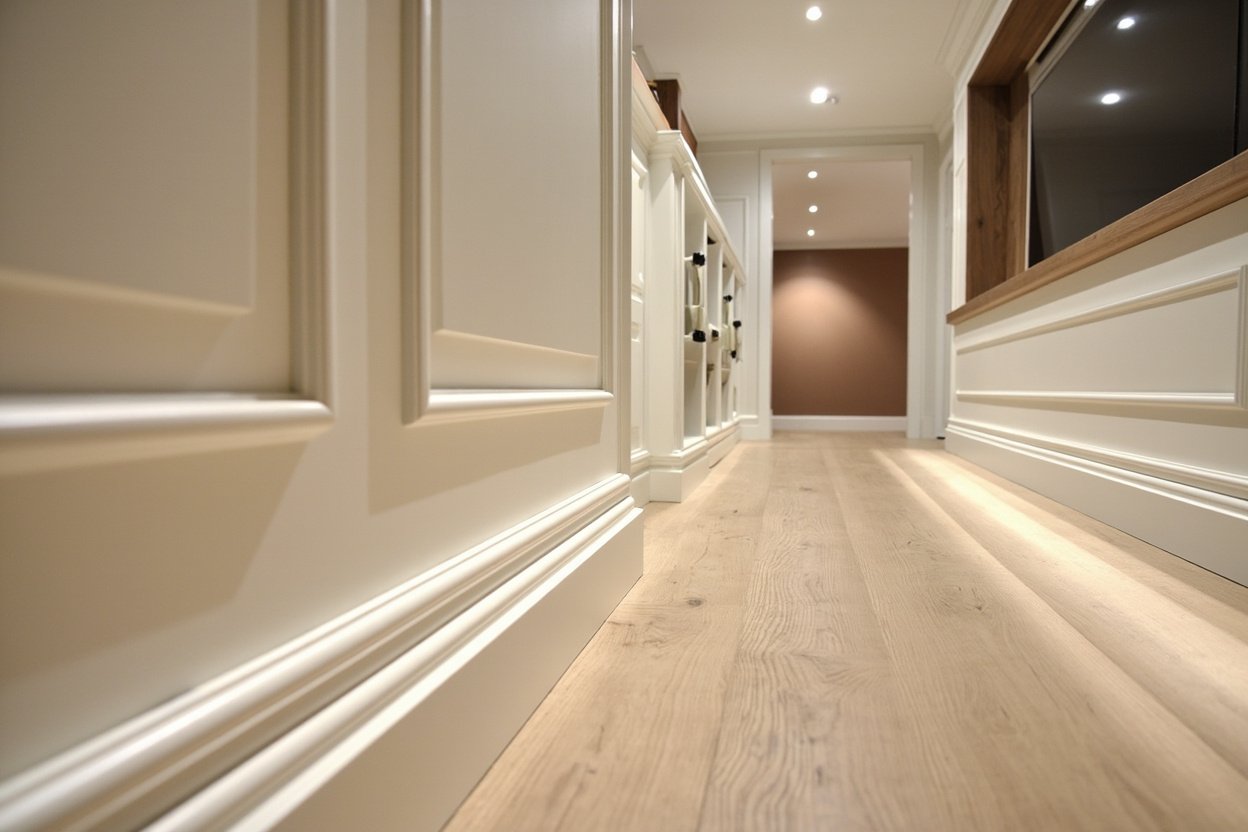
Moisture-resistant flooring: Your flooring choice significantly impacts long-term satisfaction. Luxury vinyl plank has become a basement favorite—it’s waterproof, durable, comfortable underfoot, and available in styles mimicking hardwood or stone. Tile offers excellent moisture resistance for areas near bathrooms or wet bars.
Making Your Investment Last
A quality basement family room remodel represents significant investment, and protecting that investment requires attention to details that inexperienced contractors might overlook. Proper ventilation prevents moisture buildup. Adequate insulation prevents condensation and reduces heating costs. Quality vapor barriers protect your walls and framing from long-term moisture damage.
Boston’s seasonal temperature swings make these considerations especially important. A basement that feels comfortable in September might develop condensation issues when temperatures drop in November. Working with contractors who understand New England climate challenges ensures your finished basement remains comfortable and problem-free year after year.
Ready to transform your basement? Visit our basement finishing page or call (857) 666-8643 for a Free, no-obligation estimate