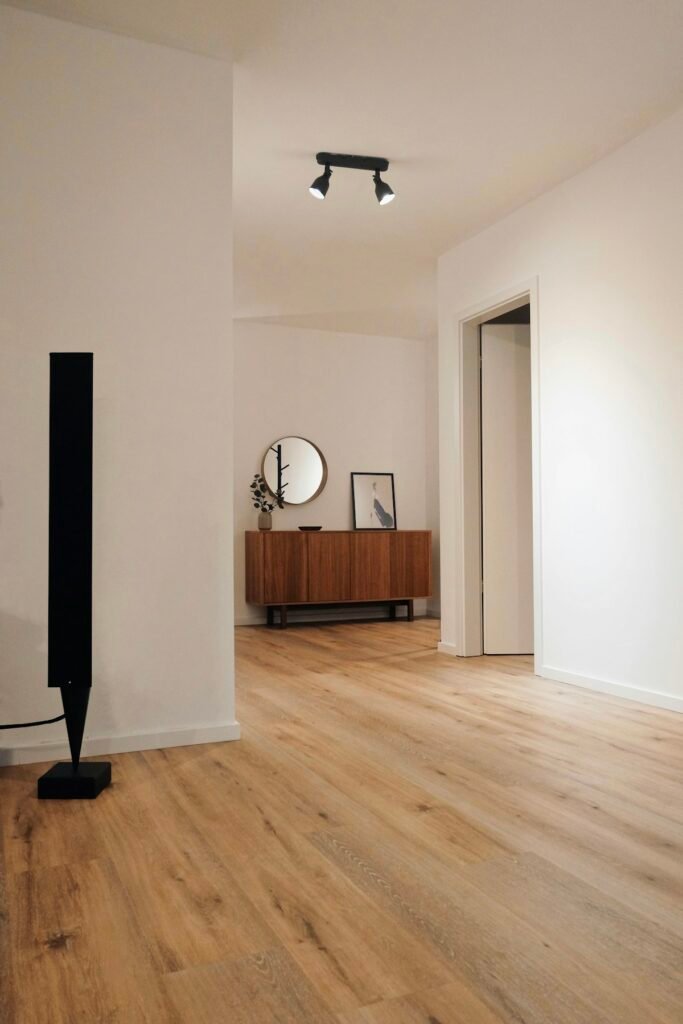
Understanding Basement Permit Requirements in Boston
Transforming your basement into a functional living space is an exciting project, but navigating the permit requirements in Boston can feel overwhelming. Whether you’re planning a simple finishing project or a complete renovation, understanding the permitting process is essential for ensuring your project complies with local building codes and protects your investment.
Why Basement Permits Matter
Many homeowners wonder if they really need a permit for basement work. The short answer is: yes, in most cases. Boston’s building department requires permits for virtually all basement finishing and renovation projects to ensure they meet safety standards, particularly regarding egress, electrical work, plumbing, and structural modifications.
Working without proper permits can lead to serious consequences, including fines, difficulties selling your home, insurance claim denials, and potentially having to remove completed work. When you’re ready to start your basement finishing project, obtaining the right permits should be your first priority.
What Work Requires a Permit?
In Boston, you’ll typically need permits for:
Structural Changes: Any modifications to load-bearing walls, beams, or columns require a building permit and often structural engineer approval. This includes opening up spaces or removing existing walls.
Electrical Work: Installing new outlets, lighting fixtures, or upgrading your electrical panel requires an electrical permit. All work must be performed by a licensed electrician and inspected before final approval.
Plumbing Installations: Adding a bathroom, wet bar, or laundry facilities requires plumbing permits. This includes both supply lines and drainage systems, which must meet strict code requirements.
HVAC Systems: Extending your heating and cooling systems to the basement requires proper permits to ensure adequate ventilation and climate control.
Egress Windows: If you’re creating habitable space, especially bedrooms, you’ll need compliant egress windows for emergency exit. This is one of the most critical safety requirements in basement renovations.
The Permit Application Process
Boston’s permit process typically follows these steps:
Step 1: Design and Planning – Before applying for permits, you’ll need detailed plans showing your proposed changes. Many homeowners work with professional basement contractors who can prepare compliant drawings and handle the permitting process.
Step 2: Submit Application – Applications can be submitted online through Boston’s Inspectional Services Department or in person at City Hall. You’ll need your property deed, site plans, and detailed construction drawings.
Step 3: Plan Review – The city will review your plans for code compliance. This process typically takes 2-4 weeks, though complex projects may take longer. Be prepared to answer questions or provide additional information.
Step 4: Pay Fees – Permit fees vary based on project scope and value.
Step 5: Receive Permits – Once approved, you’ll receive your permits and can begin work. Post permits visibly at your property throughout construction.
Required Inspections
Boston requires multiple inspections throughout your basement project. Common inspection points include:
Foundation Inspection: If you’re doing any foundation work or installing drainage systems, this must be inspected before covering.
Framing Inspection: Before insulation or drywall goes up, framing must be inspected to ensure structural integrity and proper spacing.
Rough Inspection: Electrical, plumbing, and HVAC rough-ins must all be inspected before being covered by walls or ceilings.
Insulation Inspection: Proper insulation installation must be verified before finishing walls.
Final Inspection: Once all work is complete, a final inspection ensures everything meets code and functions properly. Only after passing final inspection can you legally occupy the space.
Common Permit Pitfalls to Avoid
Many homeowners encounter preventable issues during the permitting process. Here are the most common mistakes:
Starting Work Before Approval: Never begin construction before receiving permits. Inspectors can require you to expose completed work for inspection, potentially requiring demolition and rebuilding.
Incomplete Applications: Missing documents or unclear plans will delay your approval. Work with professionals who understand Boston’s requirements to avoid back-and-forth revisions.
Skipping Inspections: Some homeowners try to skip inspection steps, but this creates major problems during the final inspection and when selling your home.
Ignoring Ceiling Height Requirements: Boston requires minimum ceiling heights of 7 feet for habitable space. Don’t assume your basement qualifies without proper measurement and planning.
Working with Professionals
While you can technically handle the permit process yourself, working with experienced contractors offers significant advantages. Professional basement finishing companies understand Boston’s specific requirements, have established relationships with inspectors, and can navigate the process efficiently.
They’ll ensure your plans meet code requirements from the start, reducing delays and costly revisions. Additionally, professional contractors carry proper insurance and licensing, protecting you from liability during construction.
Timeline and Cost Considerations
Budget adequate time for the permit process. From initial application to receiving permits typically takes 4-8 weeks. Complex projects or those requiring zoning variances may take several months.
Permit costs vary widely based on project scope.
Final Thoughts
Understanding basement permit requirements protects both your investment and your family’s safety. While the process may seem daunting, proper permitting ensures your finished basement meets all safety standards and adds legitimate value to your home.
Take time to research requirements, prepare thorough plans, and consider working with experienced professionals who can guide you through Boston’s specific regulations. The upfront investment in proper permitting pays dividends in peace of mind and long-term home value.